
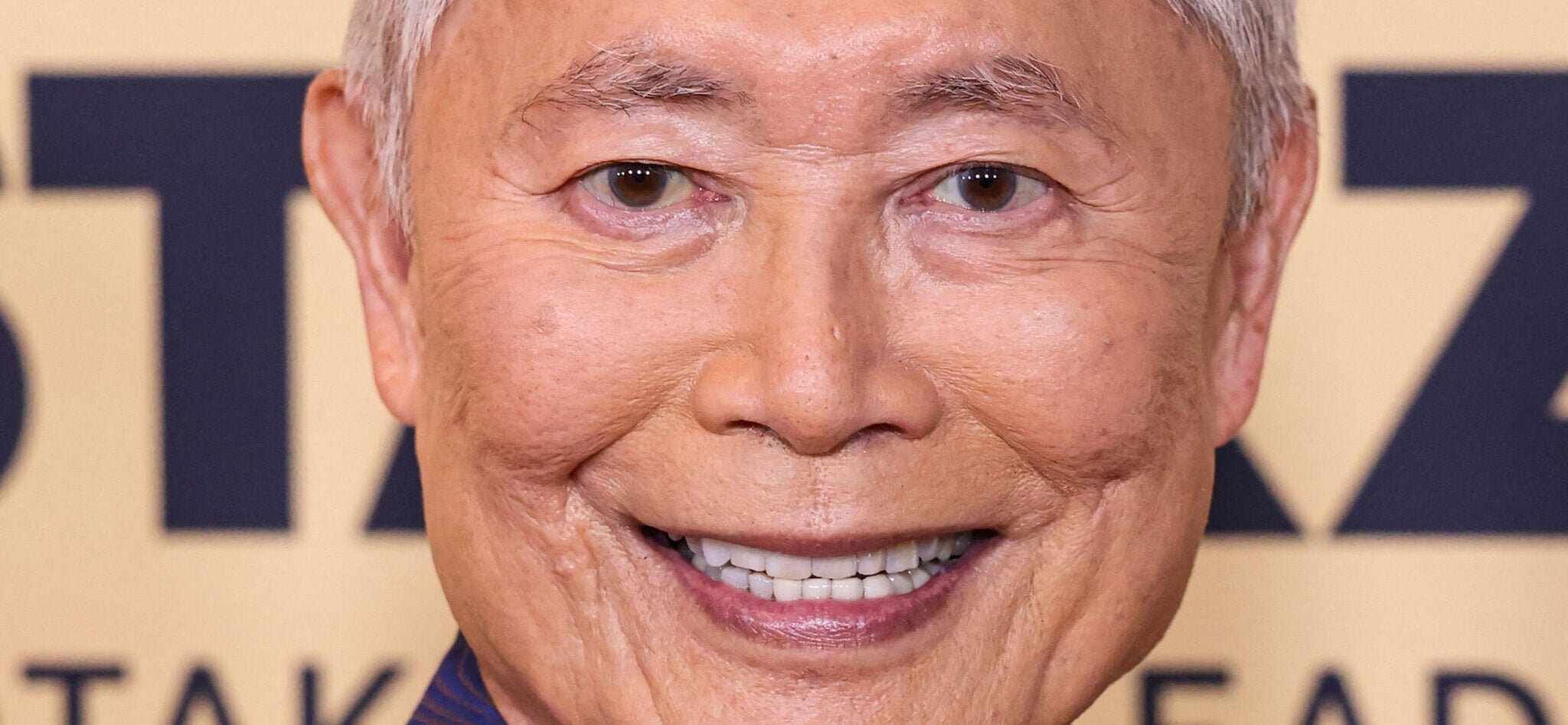
George Takei has spent decades telling fans to “live long and prosper,” but over time, what those words mean has transformed. The George Takei’s Health Journey Changes Iconic ‘Star Trek’ Message first appeared on The Blast
George Takei has spent decades telling fans to “live long and prosper,” but aging and caring for his late mother have transformed what those famous words mean to him.
Now 89 and using a wheelchair himself, the “Star Trek” legend believes the Vulcan greeting should acknowledge more than longevity or success. His experiences have taught him that growing older also requires gratitude, acceptance, and an appreciation for life’s blessings.
George Takei Reflects On The ‘Cycle Of Life’
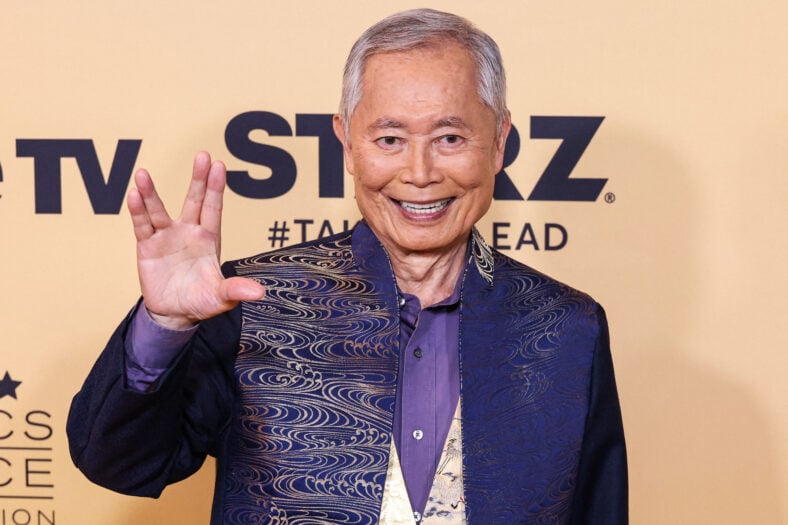
Takei discussed his evolving perspective in an exclusive interview with AARP’s Movies for Grownups ahead of the July 23 premiere of “Star Trek: Strange New Worlds” Season 4 on Paramount+.
The actor’s outlook was shaped in part by caring for his mother as her health declined. Takei recalled pushing her wheelchair around the block and playing a memory game recommended by her doctor. At first, she remembered each item they passed during their walks. Over time, however, her memory began to fade. “Now I use a wheelchair,” Takei said. “That’s the cycle of life. She showed me how to live that portion of our lives.”
Takei did not disclose a specific diagnosis or explain why he currently uses a wheelchair. Instead, he focused on what his mother taught him about accepting the later stages of life. That experience also changed his understanding of the phrase that has followed the “Star Trek” cast for nearly six decades.
“‘Live long and prosper’ should include gratitude,” Takei said. “Gratitude for the blessings we have.”
The Vulcan Greeting Carries A New Message
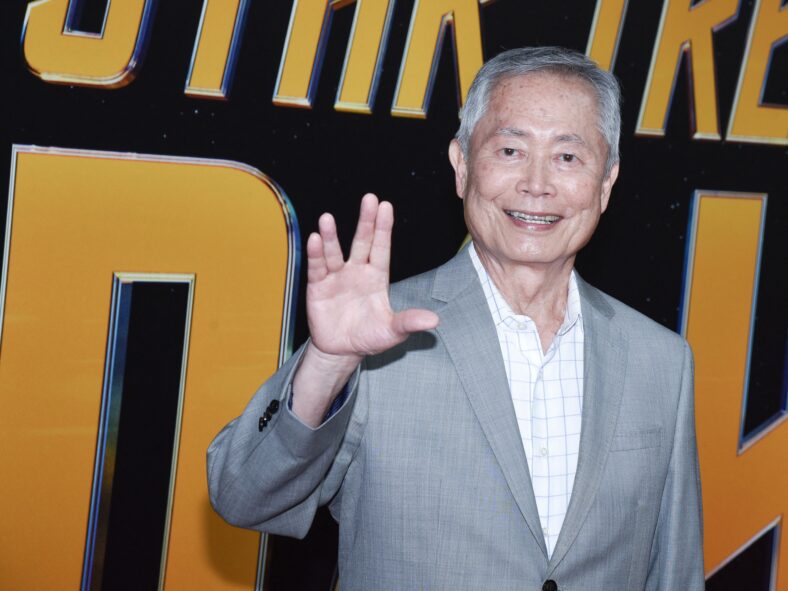
“Live long and prosper” remains one of the most recognizable expressions associated with “Star Trek,” often accompanied by the famous split-fingered Vulcan salute. Leonard Nimoy introduced the gesture while playing Spock in the original series. He drew inspiration from a blessing he witnessed while attending an Orthodox Jewish synagogue as a child.
The salute first appeared during the episode “Amok Time,” when Nimoy believed the Vulcans needed a distinctive greeting. What began as a creative decision rooted in the actor’s heritage eventually became a universal symbol of peace, hope, and goodwill.
Takei’s interpretation now adds to that legacy. His comments suggest that a long life should not only be measured by its duration or accomplishments but also by a person’s ability to recognize what the years have given them.
It is a message that feels especially personal as Takei considers his mother’s declining health, his own mobility changes, and the six decades he has spent connected to the franchise.
George Takei Reveals Why Playing Sulu Was So Important
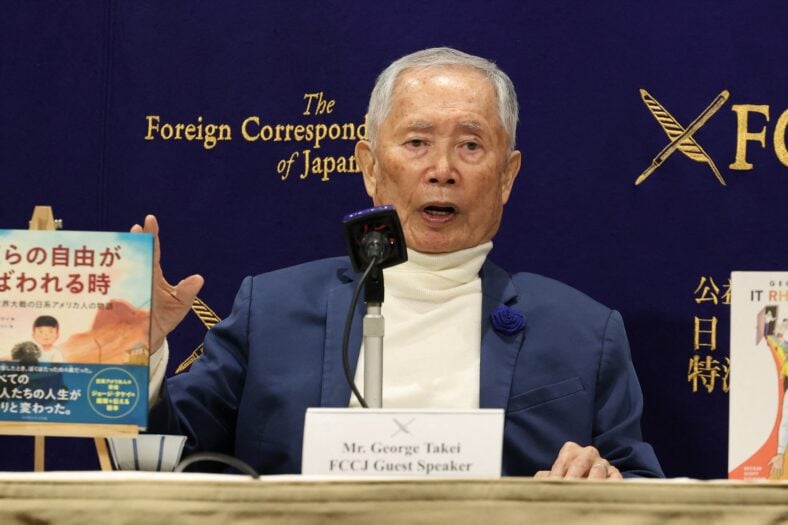
Takei’s reflections arrived as “Star Trek” prepared to celebrate the 60th anniversary of its 1966 television debut. Before becoming known around the world as helmsman Hikaru Sulu, Takei faced an entertainment industry that offered few meaningful roles to Asian actors.
“It was the first time that I was being asked to portray a character that was fully developed,” Takei said. “It was a human being, not a cartoon or a stereotype. This was an identifiable, sharp, intelligent member of a Starfleet team. I desperately wanted to be a part of that show.”
‘Star Trek’ Continues To Reach New Generations
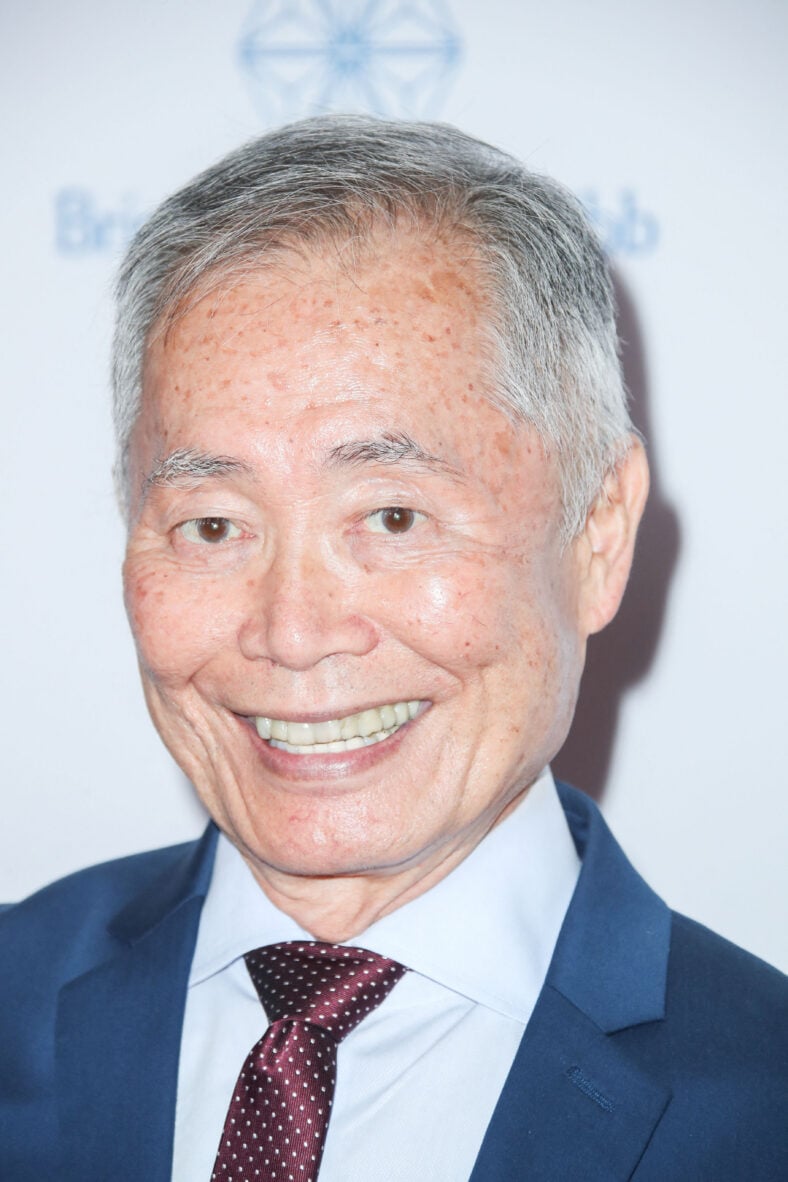
Takei has watched “Star Trek” grow far beyond the original three-season series that introduced audiences to Hikaru Sulu. The franchise now includes films, animated projects, streaming shows, books, podcasts, and conventions. Its next chapter arrives when “Star Trek: Strange New Worlds” returns for its fourth season on Thursday, July 23, on Paramount+.
Takei believes that continued expansion reflects the loyalty of viewers who discovered the original series and later shared it with younger generations. “’Star Trek’ is a family show,” he said. “Our most steady audience members are grandpas and grandmas.”
He describes the franchise’s many spinoffs as “children and grandchildren and great-great-grandchildren. So it appeals to all the generations of our audience group,” he said. “’Star Trek’ itself is living long and prospering.”
After nearly six decades, Takei is doing the same. However, his experiences with caregiving, aging, and changing mobility have taught him that living long and prospering means more than simply accumulating years. For him, it also means recognizing the people, opportunities, and blessings that made those years meaningful.
The George Takei’s Health Journey Changes Iconic ‘Star Trek’ Message first appeared on The Blast
 Lucy Hale Mourns Father’s ‘Sudden’ Death With Emotional Post
 Bravo Releases ‘RHONY’ Season 16 Trailer, Sets Premiere Date
 Marcellus Wiley Fires Back At Wife’s Claims Of Sexual Assault In New Court Docs
 Mick Jagger Supports Fiancée In Napa Valley After World Cup Heartbreak
 Zendaya Mocked For ‘Awful’ Dramatic Hair Transformation: ‘Not Flattering’