

Paul Hennessy’s The Cost Of The Escape challenges the singles era with a sweeping 12-album, 144-song release built for immersive listening.
In an era defined by singles, snippets, and endless scrolling, Paul Hennessy did something radically patient: he trusted listeners with abundance.
The Cost Of The Escape arrived all at once, twelve albums-144 songs, and in doing so, it quietly challenged assumptions about how modern audiences engage with music. Rather than asking for constant attention, the project offers permission. “I don’t have a preferred way,” Hennessy says. “That’s intentional.”
Listeners Are Choosing To Stay

The work can be entered anywhere. One song in four minutes, an album in an hour, or the full sweep, experienced slowly over weeks or months. Hennessy likens it to standing at the edge of the ocean. “Some people will dip a toe. Others will let the currents carry them for a while. I leave that choice entirely to the listener.”
What’s striking is that listeners are choosing to stay. The project’s reach has grown not through spectacle, but through sustained engagement. Songs are being saved, revisited, and lived with. “That kind of engagement says something different than applause,” Hennessy observes. “It says, this mattered enough to keep.”
That response reflects the deeper purpose behind the scale. Hennessy wasn’t trying to outpace attention spans. He was acknowledging how storytelling has evolved. Entire seasons of television are binged, and the world moves fluidly between short-form and long-form narratives. “I don’t see that as a flaw,” he says. “I see it as a reality.”
'Zoom In Or Zoom Out'
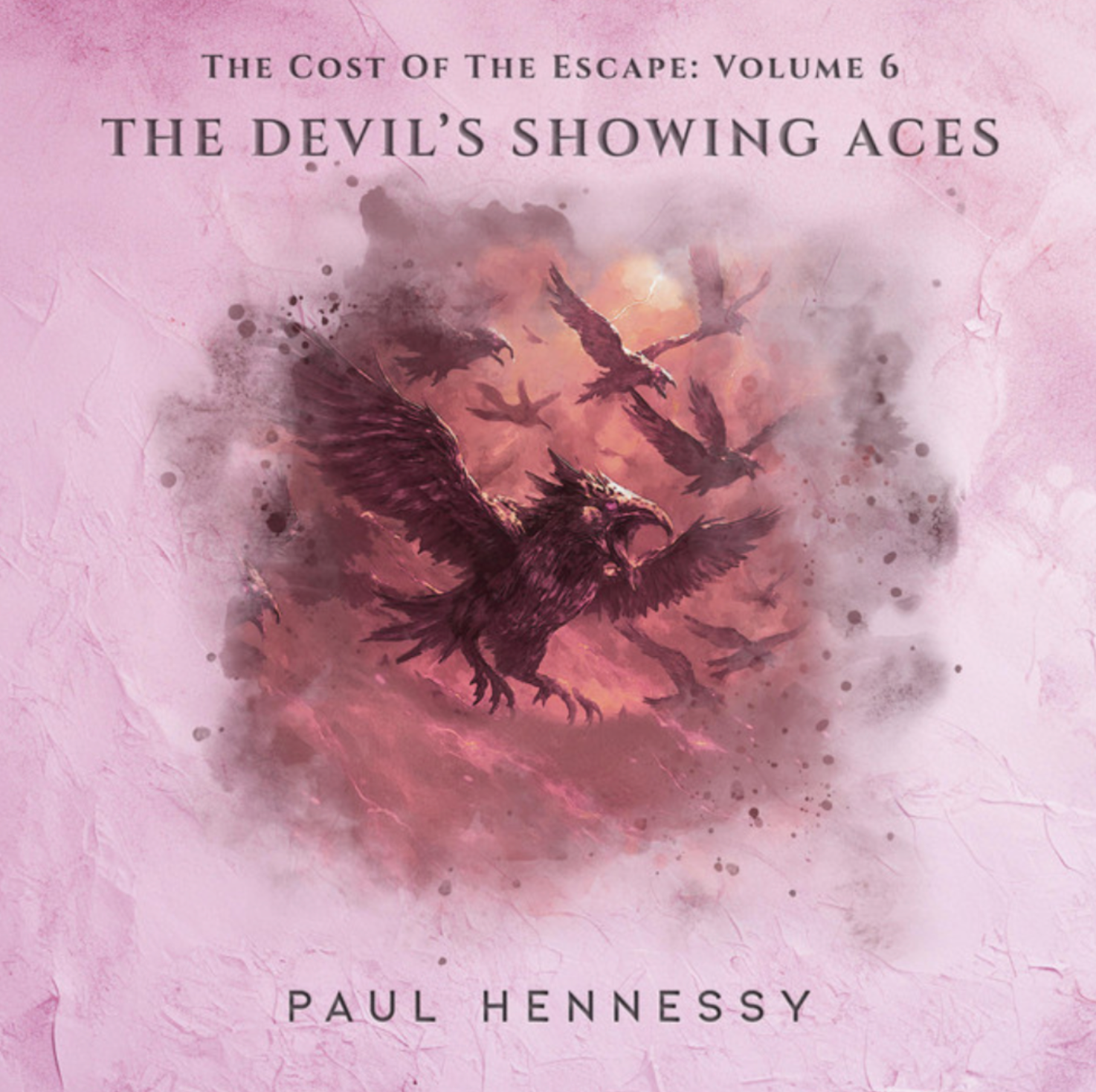
The Cost Of The Escape was designed to exist within that reality. It functions both as individual moments and as an extended arc, with themes unfolding gradually. Freedom, for Hennessy, isn’t choosing between formats. “It’s about trusting the work to hold up at any distance,” he explains. “Zoom in or zoom out, it still needs to mean something.”
That trust is rooted in discipline. The hardest part of creating the project wasn’t emotional vulnerability, but consistency. “The real challenge wasn’t staying honest,” he says. “It was never sacrificing the work itself.” Every song had to earn its time. Hooks mattered, and ideas had to land. If a thought wasn’t true, it was discarded and rewritten.
That rigor shows in the details. In Bulletproof, a single line captures emotional contradiction: “If my love is bulletproof, then why am I afraid?” In A Large and Better Life, affection is offered without possession: “I’ll kiss you, and wish you a large and better life.” Other songs, like Life, strip experience down to repetition and weight, naming the grind without softening it. Different listeners gravitate toward different tracks, which Hennessy sees as essential. “That’s not a flaw in the project,” he says. “That’s the point.”
Guinness World Records Expanded The Conversation
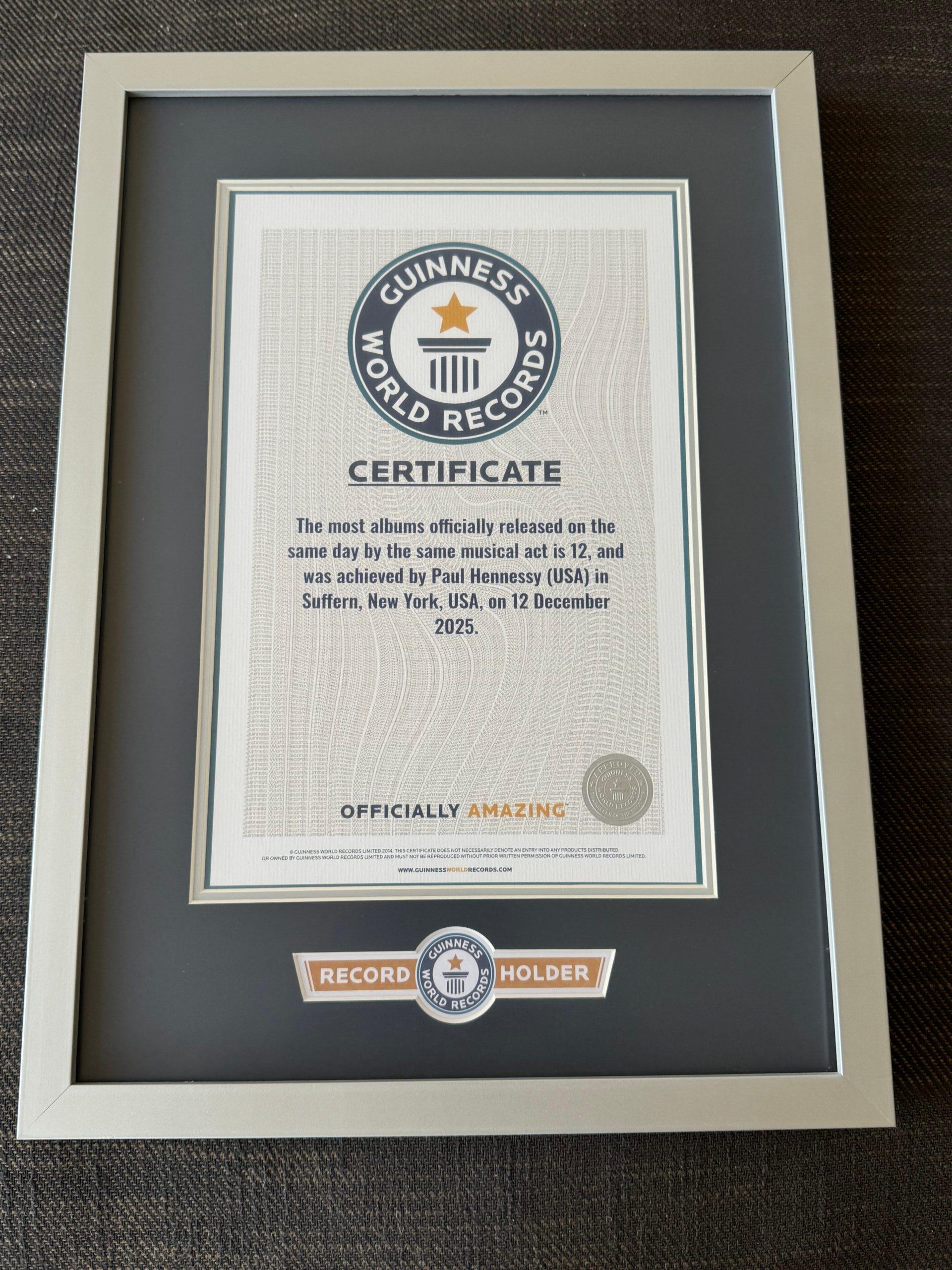
When Guinness World Records confirmed the release as the largest multi-album launch of its kind, the recognition expanded the conversation rather than concluding it. “What mattered more was that it created a platform big enough for the songs to actually be heard,” Hennessy reflects. Now, with the record behind him, the path forward feels open rather than heavy. “It feels like freedom,” he says, “but not the kind that sends you off alone.” Collaboration, curiosity, and continued craft are what excite him most.
In the end, The Cost Of The Escape offers company. Song by song, it traces what happens when we stop running long enough to listen and discover that meaning often waits right where we are willing to stay.
 Ryan Coogler's 'X-Files' Reboot Officially Moving Forward At Hulu With Pilot Order
 Demi Lovato Reveals Whether There Was A Rivalry Between 'High School Musical' And 'Camp Rock' Casts
 Ex-Prince Andrew And Sarah Ferguson Leaning On Each Other Amid Disgrace: 'Misery Loves Company'
 Tourette's Advocate Left 'Deeply Mortified' After Hurling Racial Slur At Michael B. Jordan And Delroy Lindo
 Friend Who Created GoFundMe For ‘ANTM’s’ Miss J Defends The Fundraiser Amid Mixed Reaction