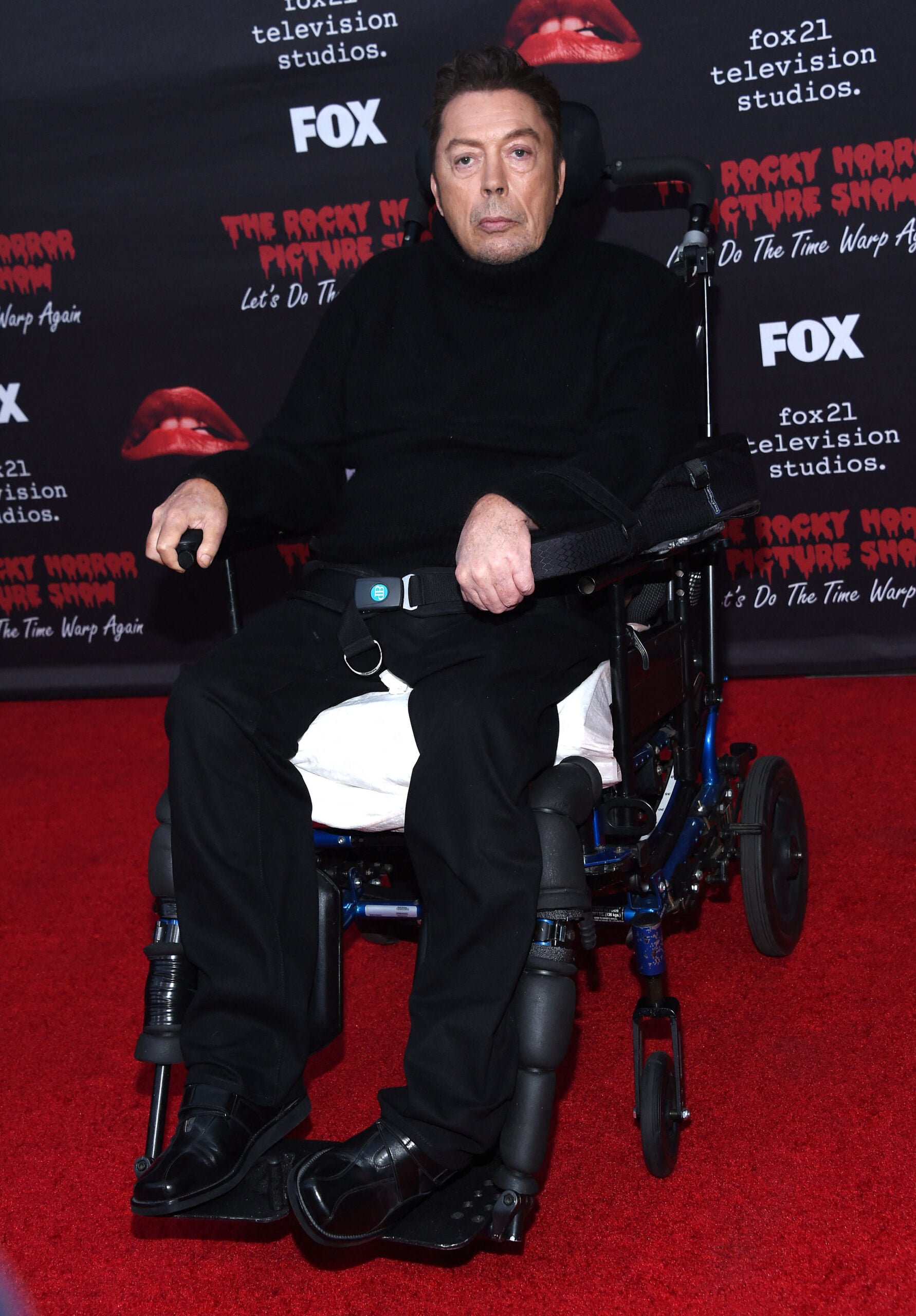
Tim Curry's “The Rocky Horror Picture Show” struggled to attract audiences when it arrived in theaters in 1975. The Tim Curry’s ‘Rocky Horror’ Was Initially Rejected Before Becoming A Cultural Phenomenon first appeared on The Blast
Tim Curry’s death at age 80 has renewed attention on the performance that made him a cultural icon, even though the movie was initially considered such a failure that he feared it could end his film career. “The Rocky Horror Picture Show” struggled to attract audiences when it arrived in theaters in 1975. Plans for a major New York opening were canceled, and the movie was pulled from most of its initial markets. However, one unconventional decision gave the film another chance.
‘Rocky Horror’ Began As A Small Stage Musical
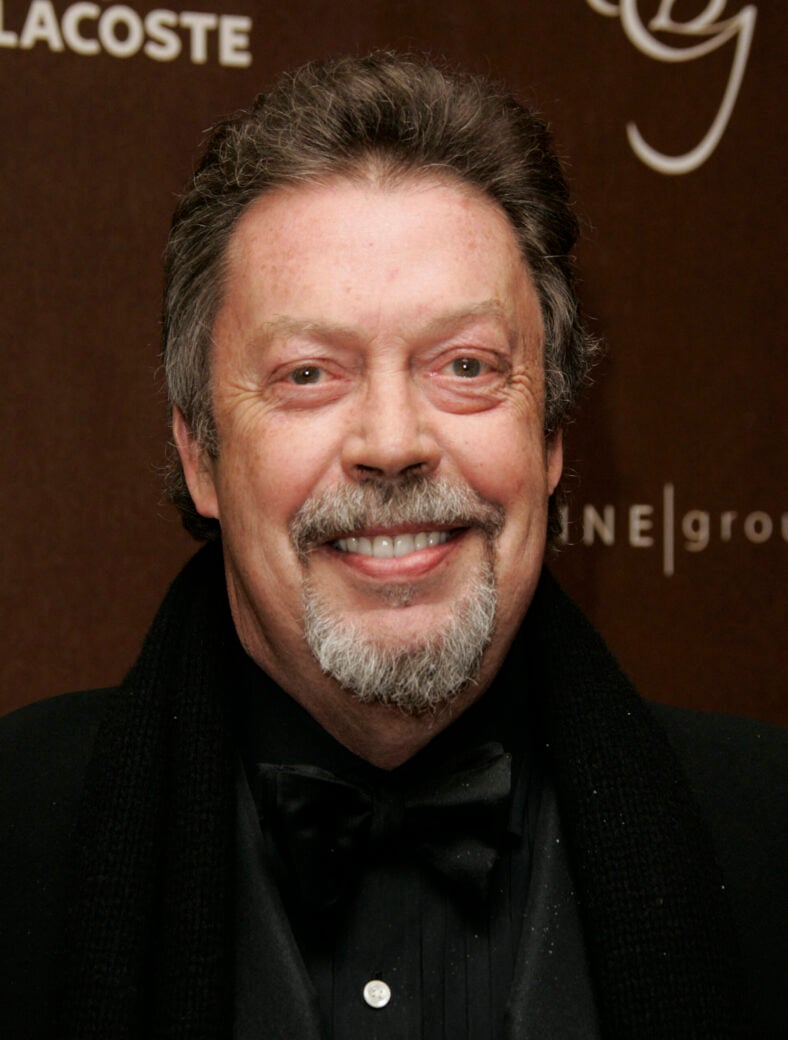
Before it became a movie, “Rocky Horror” was a stage production written by Richard O’Brien. “The Rocky Horror Show” premiered at London’s Royal Court Theatre in 1973 and mixed original rock music with affectionate parodies of old science-fiction and horror movies. Curry originated the role of Dr. Frank-N-Furter, the flamboyant scientist whose castle becomes an unexpected destination for newly engaged couple Brad and Janet.
The production grew from a small experimental show into a major London success. Its popularity convinced producer Lou Adler and 20th Century Fox that the material could work as a film. Curry and several members of the stage cast returned for the adaptation, while Barry Bostwick and Susan Sarandon were cast as Brad and Janet. The movie was filmed in England beginning in October 1974, with the production using Oakley Court, a Victorian mansion previously connected to several Hammer horror films.
Despite the stage show’s success, signs of trouble emerged before the movie reached American theaters. A Broadway production opened in March 1975 but closed after only 45 performances.
The Movie Failed To Find An Audience
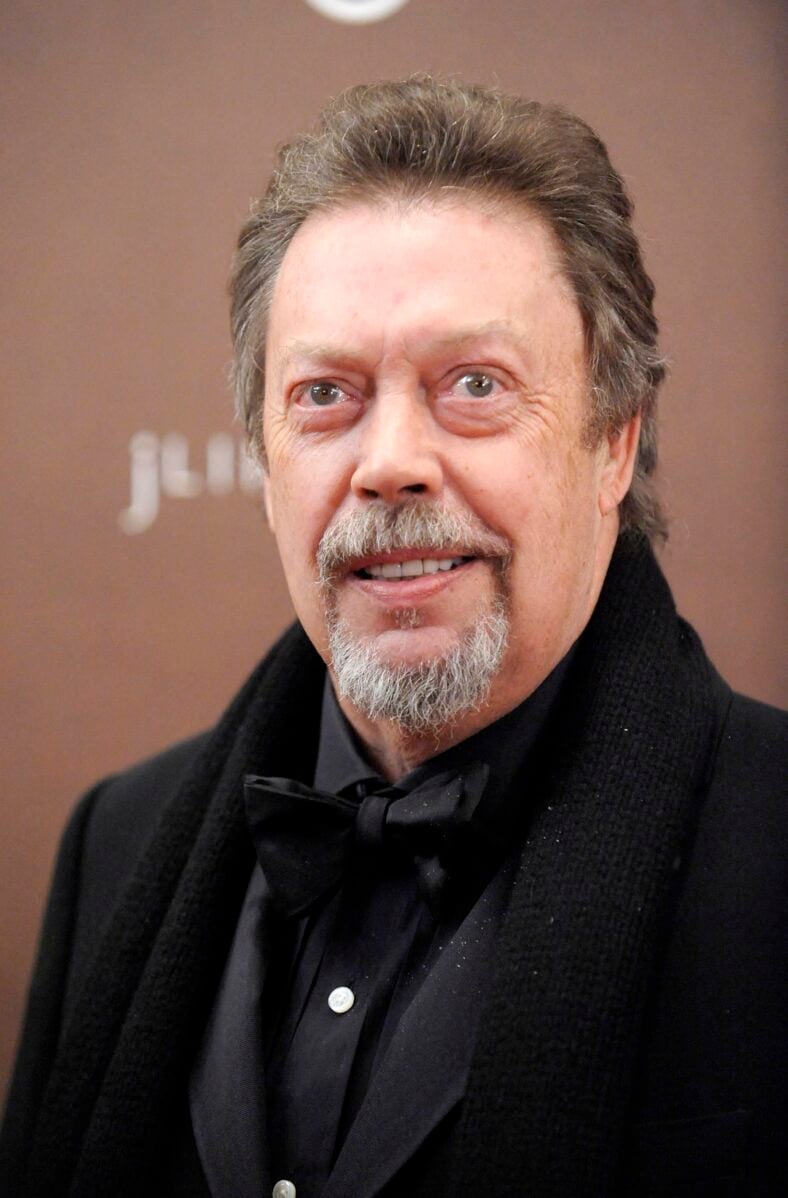
“The Rocky Horror Picture Show” opened in the United States on September 26, 1975. The movie performed well at the UA Westwood theater in Los Angeles, where some customers repeatedly returned. That enthusiasm did not translate to the seven other cities included in its initial release.
According to the American Film Institute, the film bombed outside Los Angeles, prompting Fox to withdraw it from theaters. The studio also canceled a planned New York opening scheduled for Halloween night.
An attempt to pair the movie with Brian De Palma’s “Phantom of the Paradise” for college audiences reportedly failed to generate meaningful interest. Curry was devastated by the response. “It died a death. It was a failure. And I was crushed,” he admitted during a 2025 interview.
The actor worried that having his first major movie rejected could bring his screen career to an abrupt end. “I thought that it might well be the end of my movie career,” he said. “But I was tougher than that.”
- Tim Curry, best known for his iconic role as Dr. Frank-N-Furter in “The Rocky Horror Picture Show,” died on Tuesday, August 25, 2026, at age 80.
- Following his death, a 2025 interview resurfaced in which Curry made an eerie remark about “welcoming” death.
- Curry will appear on the big screen one final time after completing “Stream 2” before his death.
Midnight Screenings Gave The Film Another Chance
The movie’s unusual recovery began after Fox executives noticed that the small group of people who loved it kept returning. Rather than continuing to market “Rocky Horror” as a conventional musical, the studio tested it in a time slot already associated with strange, provocative, and experimental films.
On April 1, 1976, “The Rocky Horror Picture Show” began playing at midnight at the Waverly Theater in New York City’s Greenwich Village. The setting proved crucial. Instead of competing for mainstream moviegoers, “Rocky Horror” reached night owls, artists, queer viewers, students, and others drawn to entertainment that existed outside conventional boundaries. The same people began returning week after week. They learned every line, recognized one another, and gradually changed the screening from a movie into a communal performance.
By the end of the decade, Fox reportedly had hundreds of prints circulating for midnight shows across the country.
Fans Began Talking Back To The Screen
Audience participation was not created by the filmmakers or planned by the studio. It developed organically among regular attendees at the Waverly. Fans began shouting responses to characters, adding jokes between lines of dialogue, and insulting Brad and Janet as their night at Frank-N-Furter’s castle became increasingly chaotic.
The spontaneous remarks evolved into established callbacks that audiences repeated together. A 1976 Halloween event encouraged fans to attend dressed as the characters. Costumes soon became a regular part of the experience, giving moviegoers permission to recreate Curry’s corsets, makeup, and dramatic entrance for themselves.
The participation eventually moved in front of the screen. Groups known as shadow casts began performing the entire film while it played behind them, matching the characters’ movements and lip-syncing the dialogue and songs. Each local cast could bring its own jokes and traditions while following a loose set of rituals shared by “Rocky Horror” audiences around the world.
Props Became Part Of The Tradition
The experience grew even more elaborate when fans began bringing props tied to specific moments in the movie. Audience members threw rice during the wedding scene and held newspapers over their heads when Brad and Janet became trapped in the rain. Water pistols recreated the on-screen storm, while toast was tossed after Frank-N-Furter proposed a toast at dinner. Playing cards appeared during “I’m Going Home,” and toilet paper was thrown when Brad shouted, “Great Scott!”
Many theaters eventually restricted certain props because of safety concerns and the enormous cleanup required. However, the rituals became inseparable from the film’s reputation. Watching “Rocky Horror” at home could provide the story and songs, but attending a midnight screening offered an unpredictable performance created jointly by the movie, shadow cast, and audience.
‘Rocky Horror’ Became A Place For Outsiders
The film’s longevity cannot be explained by props and callbacks alone. Frank-N-Furter’s confidence, sexuality, and rejection of conventional gender expectations made the character liberating for viewers who rarely saw themselves represented onscreen.
“Rocky Horror” screenings became spaces where people could dress differently, experiment with identity, and find others who understood what it felt like to exist outside the mainstream. The AFI described the screenings as safe spaces for outsiders, particularly members of the LGBTQ+ community.
Curry came to recognize what his performance had given viewers. “I gave them permission to be who they discovered they wanted to be,” he told the Los Angeles Times. “I’m proud of that.”
The Tim Curry’s ‘Rocky Horror’ Was Initially Rejected Before Becoming A Cultural Phenomenon first appeared on The Blast
 Andy Cohen Wants To ‘Dance In Peace’ Away From ‘Dancing With The Stars’
 Justin Baldoni’s Lawyer Takes Shot At Blake Lively After $400K Fee Award
 Serena And Venus Williams’ Doubles Comeback Revived With Wild Card Surprise At US Open
 Hayden Panettiere’s Boyfriend Banned From Bars Before Her Death After Becoming Erratic
 Gigi Hadid Gushes About ‘Beautiful’ Relationship With Bradley Cooper Where She Can Be ‘Deeply Honest’