
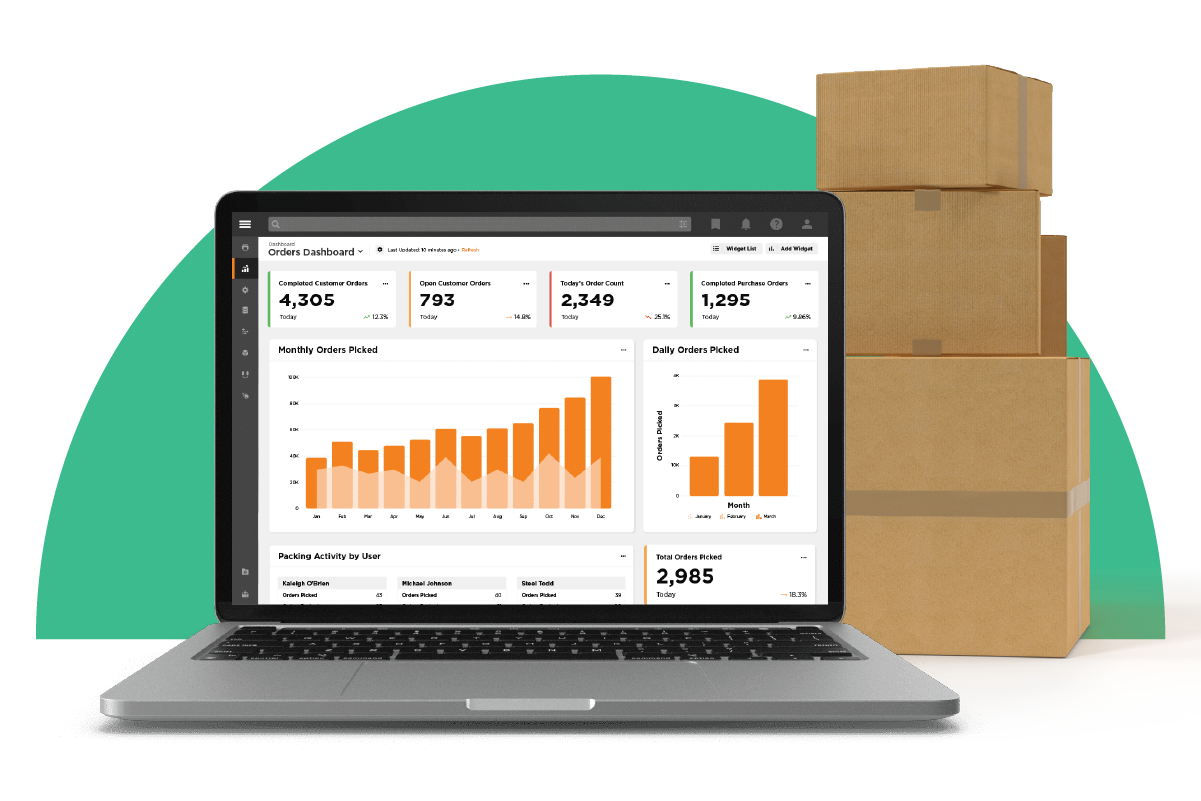
A phone case in a box that could hold a toaster is one of e-commerce's favorite jokes. It's a window into the economics of shipping air. The Why Your Tiny Order Sometimes Arrives In A Giant Box first appeared on The Blast
A phone case in a box that could hold a toaster is one of e-commerce’s favorite jokes. It is also a window into the strange economics of shipping air.
Everyone has received one. The USB cable in a carton sized for a board game. The lip balm rattling around a box with its own weather system. You laugh, you photograph it, you wonder briefly whether anyone is paying attention, and then you flatten the box for recycling and move on.
Here is the part that makes it interesting: someone, or rather something, chose that box on purpose. And the reasons say a lot about how the machinery behind online shopping actually works.
The box is a decision, not an accident
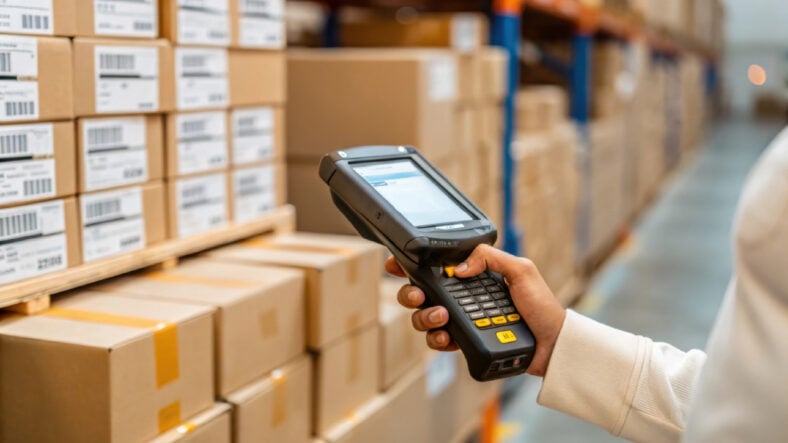
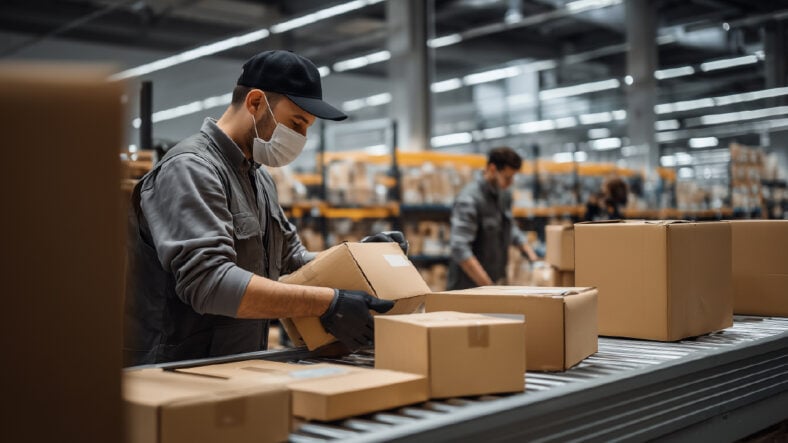
In a modern fulfillment operation, a human packer rarely decides what box to use. That call is made by warehouse management software, the system that runs the building. Before your order is even picked from the shelf, the software has measured the dimensions of everything in it, compared them against the cartons the warehouse keeps in stock, and assigned the one it calculates as the best fit.
So when the fit is comically wrong, the algorithm didn’t glitch. It did exactly what it was told with the options it had. The question is why the options were bad.
Why air is expensive
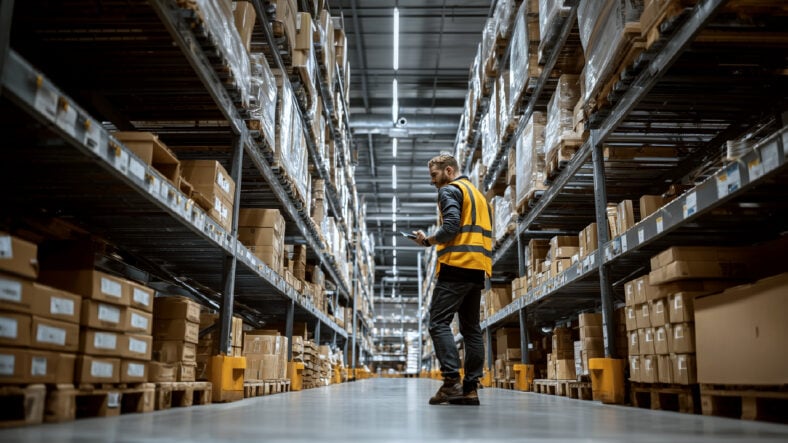
First, understand what’s at stake. Carriers long ago stopped charging purely by weight, because a truck full of feather-light, oversized boxes fills up just as fast as a truck full of bricks. So they charge by dimensional weight: the size of the box converted into a billable weight, with the shipper paying whichever is higher, the real weight or the dimensional one.
That means empty space in a box isn’t just wasteful. It is, quite literally, a product the retailer is buying from the carrier. Every oversized carton ships a few cents to a few dollars of nothing. Multiply by millions of packages, and shipping air becomes one of the quietest large expenses in retail.
So why the giant box?
If air is that expensive, why does the toaster-sized box keep showing up? A few honest reasons.
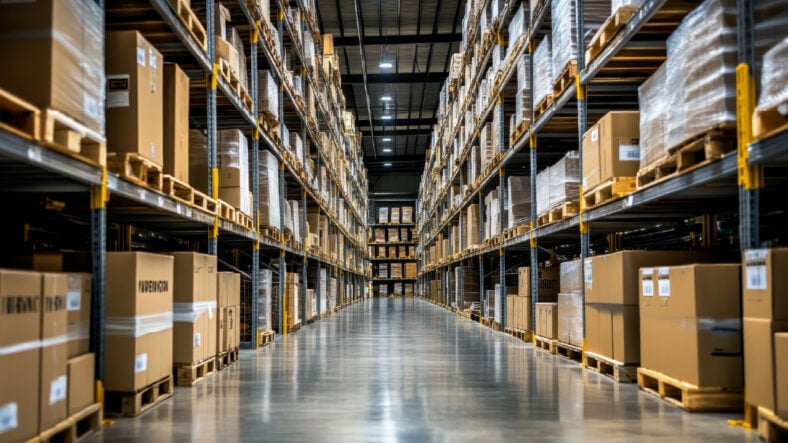
The carton menu is short. A warehouse might stock a dozen box sizes, chosen when the operation launched. The software can only pick from the menu it has, and if your item falls between sizes, it rounds up. Always up, because a box that’s too small isn’t a box at all.
The menu goes stale. Product catalogs change constantly; carton catalogs don’t. An assortment chosen for last year’s bestsellers can be quietly wrong for this year’s, and the mismatch shows up one oversized shipment at a time, invisible in any single order.
Speed beats precision at the pack station. During a surge, some operations fall back to fewer, larger box sizes because it keeps the line moving. The giant box you received in December may be the fingerprint of a warehouse running flat out.
And sometimes the box was sized for a friend that never came. Systems often plan cartons for orders that might be consolidated, and when part of the order ships separately, the survivor rattles around in space reserved for its companions.
The warehouse already has the evidence
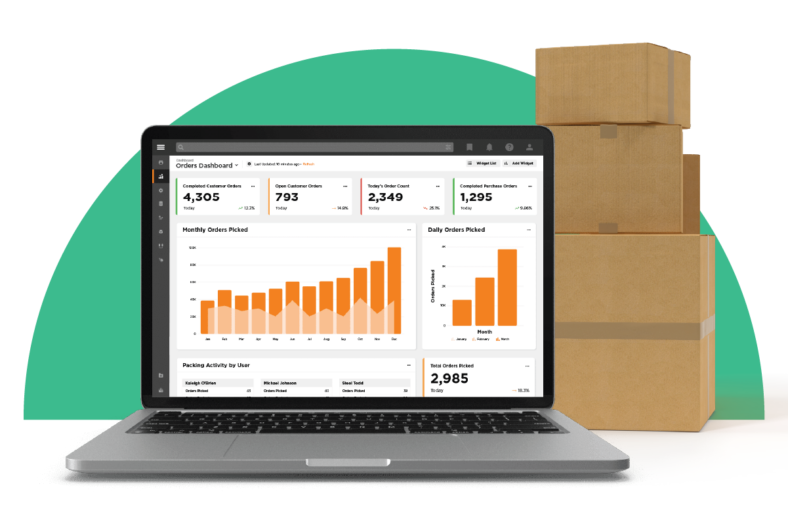
What makes this problem fixable is that the proof is sitting in the shipping data. Every carton choice, every package dimension, every carrier charge already flows through the system that cut the label.
Deposco built its Supply Chain Intelligence suite to read that evidence directly. Working with Deposco’s WMS Bright Warehouse rather than as a separate analytics stack, its packaging analysis evaluates a warehouse’s carton assortment against the shipments it actually sends, flags dimensional weight overages and boxes leaving with too much empty space, and quantifies what fixing the carton menu is worth in dollars. It also compares what an operation pays for shipping, like for like by package weight and destination, against comparable shippers, so a retailer knows whether its rates are as good as it believes. Across the operations it works with, Deposco typically surfaces a 2 to 5% opportunity on overall shipping spend. Packaging is a rare lever in that number: a retailer can pull it immediately, without negotiating with anyone.
And for operators who enable Felix, a team of AI expert agents inside Deposco, the shipping analyst agent turns the investigation into a conversation: ask why shipping cost per package crept up this quarter, and it answers from the live operation, then keeps answering as you dig.
Reading your next delivery
So the next time a small thing arrives in a big box, you’re holding a clue. Maybe the retailer’s carton menu hasn’t kept up with what it sells. Maybe you ordered during a surge, and the warehouse traded precision for speed. Either way, somewhere a piece of software made the best choice available to it, and the real story is whether anyone is watching the choices add up.
The retailers that watch are shipping less air. The ones that don’t are paying to deliver it.
The Why Your Tiny Order Sometimes Arrives In A Giant Box first appeared on The Blast
 Kelly Rowland Reflects On Her And Beyoncé’s Kids Growing Up Together: ‘Crazy’
 What To Wear Under Camera-Ready Outfits: A Comfort-First Guide For Parties, Photos, And Nights Out
 Milania Giudice’s Deleted Airport Video Gets A Troubling New Context
 Celine Dion Gets Animated With Her Bodyguard Amid Ongoing Successful Paris Residency
 Kim Kardashian Reveals How Unexpected New Reality Show Came To Be